Audi Car Finance
  BMW Car Finance
  Ford Car Finance
  Kia Car Finance
  Land Rover Car Finance
  Mercedes Benz Car Finance
  Nissan Car Finance
  Peugeot Car Finance
  Tesla Car Finance
  Toyota Car Finance
  Vauxhall Car Finance
  Volkswagen Car Finance
 How to Choose the Right Car for Your Budget
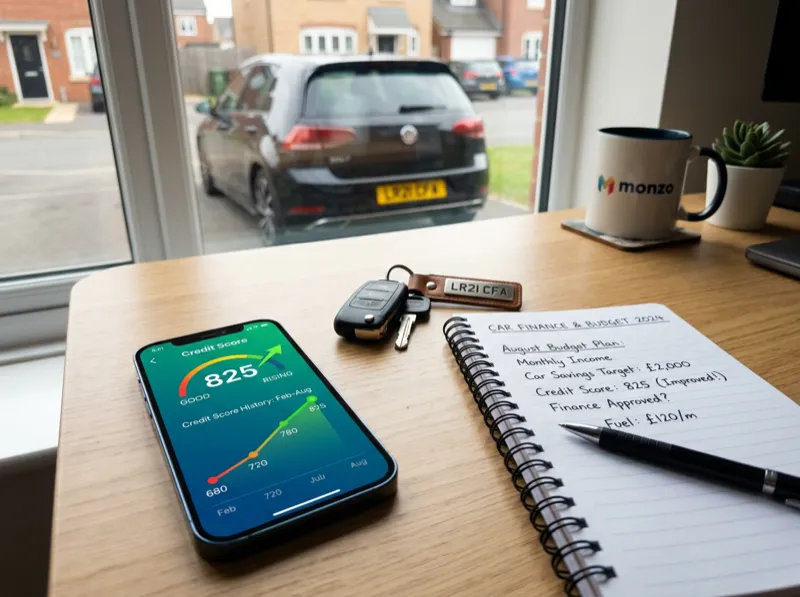
How to Choose the Right Car for Your Budget
Buying a car is one of the biggest financial decisions most people make. Whether you are a first-time buyer or upgrading from your current vehicle, choosing a car that fits your budget is essential to avoiding financial stress. This guide walks you through the key considerations to help you find the right car at the right price.
Step 1: Determine Your Total Monthly Budget
Before you start browsing car listings, sit down and work out exactly how much you can afford. This is not just about the finance payment. Your total monthly car budget should include:
- Finance payment: The monthly cost of your PCP, HP, or loan repayment.
- Insurance: This can vary enormously depending on your age, location, driving history, and the car you choose. Get insurance quotes for any car you are seriously considering before committing.
- Road tax: Check the Vehicle Excise Duty band for any car you are interested in. Electric vehicles currently pay zero, while some older or higher-emission models can be expensive.
- Fuel or charging costs: Estimate your monthly mileage and calculate the fuel cost based on the car’s real-world fuel economy. For electric vehicles, calculate the cost of home and public charging.
- Maintenance and servicing: Older cars generally require more maintenance. Factor in at least one service per year plus a contingency for unexpected repairs.
- MOT: Required annually once the car is three years old. Budget for the test itself plus any work needed to pass.
- Parking and tolls: If you commute by car or live in an area with parking charges, these costs add up.
A common rule of thumb is that your total car costs should not exceed 15 to 20 percent of your take-home pay. This keeps car ownership sustainable and leaves room for other financial priorities.
Step 2: Decide What You Actually Need
It is easy to get carried away with features and specifications, but the most important thing is choosing a car that meets your actual needs. Ask yourself:
How much do you drive? High-mileage drivers should prioritise fuel efficiency and reliability. A diesel or hybrid might offer better value than a petrol car if you cover a lot of miles.
What do you use the car for? A daily commuter has different needs from a family car or a weekend runaround. Consider passenger space, boot capacity, and comfort for the type of journeys you make most.
Do you need specific features? Safety features, parking sensors, satellite navigation, and heated seats are nice to have, but they increase the price. Focus on what you genuinely need rather than what looks appealing in a brochure.
Where do you drive? If you spend most of your time in urban areas, a smaller car with good manoeuvrability and low running costs makes sense. If you regularly tackle motorways or rural roads, a larger or more powerful vehicle may be more appropriate.
Step 3: New vs Used
Your budget goes significantly further with a used car. New cars depreciate the most in their first year, so buying a car that is one to three years old can save you thousands while still getting a relatively modern vehicle with warranty remaining.
Benefits of buying new: Full manufacturer warranty, the latest safety technology, choice of specification, and the satisfaction of being the first owner.
Benefits of buying used: Lower purchase price, slower depreciation, lower insurance costs (often), and a wider selection of models within your budget.
For most budget-conscious buyers, a quality used car represents the best value for money.
Step 4: Research Running Costs
Two cars with the same purchase price can have very different running costs. Before you commit, research:
- Insurance group: Cars are rated in insurance groups from 1 to 50. A lower group number generally means cheaper insurance.
- Fuel economy: Check real-world fuel economy figures rather than official manufacturer claims. Owner forums and review sites often provide more realistic numbers.
- Common faults: Some models are known for specific issues that can be costly to repair. A quick search online can reveal whether a car has any known problems.
- Parts and labour costs: Prestige and imported cars often have higher servicing and parts costs. Mainstream brands tend to be cheaper to maintain.
- Tyre costs: Larger wheels and low-profile tyres look impressive but are more expensive to replace.
Step 5: Get Pre-Approved for Finance
Before visiting a dealer or committing to a purchase, get pre-approved for car finance. This gives you a clear budget to work with and puts you in a stronger negotiating position.
At Happy Motor Finance, our initial quote uses a soft credit check that does not affect your score. You will know exactly how much you can borrow and what your monthly payments will be before you start looking at specific cars.
Step 6: Do Not Stretch Your Budget
It can be tempting to borrow a little more to get a slightly nicer car, but stretching your budget is a common mistake. If the monthly payments are tight, any unexpected expense such as a repair, a change in circumstances, or an insurance renewal can cause problems.
Choose a car that fits comfortably within your budget, leaving a margin for the unexpected. You will enjoy the car much more if it is not causing financial anxiety.
Step 7: Consider the Long-Term Costs
Think about what happens after the finance period ends. If you are on PCP, will you want to pay the balloon payment to keep the car, or trade it in? If you are on HP, the car is yours, but will it still be reliable and economical to run in three or four years?
Choosing a car that holds its value well, is reliable, and has reasonable running costs throughout its life will save you money in the long run.
Let Us Help You Find the Right Deal
At Happy Motor Finance, we help you find car finance that fits your budget and circumstances. Our team can guide you through the process, from getting a quote to choosing the right vehicle. Get a free, no-obligation quote today and take the first step towards finding your perfect car.

Happy Motor Finance
FCA Authorised (FRN 989250) · SAF Approved
Our team of FCA-authorised finance specialists help people across the UK get behind the wheel, regardless of credit history. We act as a credit broker, searching a panel of lenders to find the right deal for you.
Ready to Get Started?
Apply for car finance today and get a decision in minutes.
With no impact to your credit score*
We act as a credit broker, not a lender
Representative example: borrowing £6,500 over 5 years with a representative APR of 16.9%, an annual interest rate of 16.9% (Fixed) and a deposit of £0.00, the amount payable would be £161.19 per month, with a total cost of credit of £3,171.55 and a total amount payable of £9,671.55. This is an example only, lender fees may apply. The exact rate you will be offered will depend on your circumstances. All finance subject to status.
*After completing the application, lenders will perform a “soft search” that will not affect your credit score. Should you get an offer of finance and wish to proceed, the lender will then perform a “hard search” of your credit file. Finance acceptance is not guaranteed, please click the following link for more information: Initial Disclosure Document